VIDEO VOYAGEUR: 3 Q’s WITH DAVID DIAZ

diaz

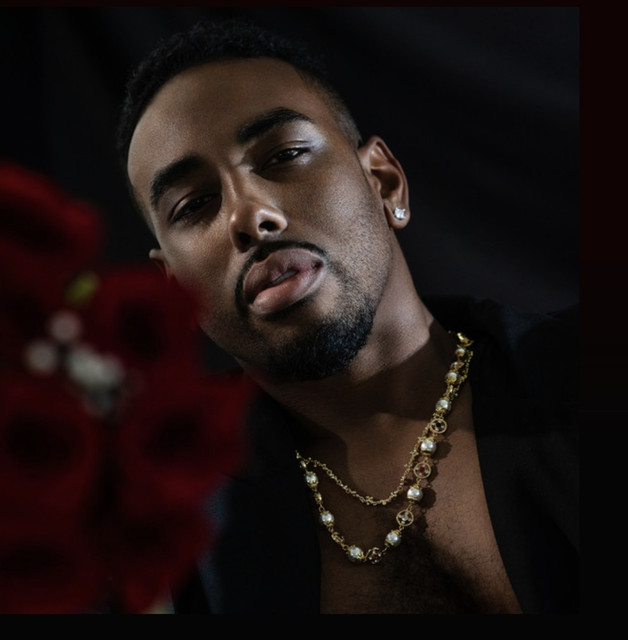
David Diaz’s “Are We Gonna Talk?” began with a question that came from a very real place. After a friendship broke down and an attempt to ask for emotional support was met with silence, David found himself reflecting on a pattern of giving too much of himself to people who did not always give the same in return. Rather than leaving that frustration where it was, he turned it into a song, transforming hurt, anger and a few uncomfortable truths into something both personal and instantly relatable.

The video, however, takes that emotional story somewhere considerably more unexpected. Initially reluctant to make a video at all, David was persuaded by his friends and co-directors Abiesel “Abi” Baez and Kahlil Antonio to turn the song into an ’80s slasher movie, with David himself becoming the rather unlikely “Callback Killer.”

Shot over three days with a large cast and crew, the production became as much about collaboration and having fun as it was about telling the story. David describes the experience as feeling more like a camp getaway than a conventional music video shoot, with everyone from the directors and actors to the production and design teams contributing to the final result. Here, he talks about the personal experiences behind “Are We Gonna Talk?”, the unlikely inspiration for its horror-themed video, and why sometimes the best way to deal with being ignored is to become the killer everyone remembers.

Tell us the story of this song. Why did you choose to visualize the song specifically in this way?

“Are We Gonna Talk?” came from a falling out I had with a close friend of mine. Essentially, I came to understand that I was putting a lot more into the friendship than he was, and it wasn’t the first time that happened. 

What initially brought everything on was that I was in a place where I needed something, and that one particular thing was just support. When I asked him for emotional support, it felt like it was too much or like I was an inconvenience to him, because when I asked him, he never answered me. Eventually, I found out he was prioritizing other things he thought were more important, and I felt like I wasn’t being prioritized. 

In our relationship, I had given him a lot. I didn’t necessarily put everything on hold, but I did a lot for him and sacrificed a lot for him, and it just felt like he didn’t care about me at all. So I tried to reach out—nothing: no answer, no response, no conversation or explanation. I was completely in the dark. 

At some point, I messaged him, “Are we gonna talk at all?” Still nothing. So I went home and made a song out of that line. 

I felt like a complete idiot for putting myself in a position to be treated like that. It had happened to me a lot in the past because I was a people pleaser. I wanted people to like me, and I would do anything to try to keep them around, even if it hurt me. This was happening during a transitional period when I was starting to undo a lot of damage and unlearn things that didn’t benefit other people or me. So I got angry and made it into a song. 

For the cover art and the general promotion, I knew I wanted it to be something along the lines of phones and people not getting a callback, and I wanted to be a little bit on the nose with it. Initially, it was going to be more modern—flip phones, smartphones, texting, whatever—but I was like, “That’s so boring.” 

I want to say what I want to say, but I want to find a fun way to say it. If it’s going to be out there forever and people are going to hear this message, I think it’s more fun and more palatable for me, and hopefully for other people too, if it’s something familiar presented in a unique package. So, whenever you come back to it, see it or listen to it, you’re like, “Yeah, there’s that message that I know,” but you’re seeing it through this really unique, different lens of an ’80s world. 

I really enjoy world-building, lore, and things like that, so that was really fun. My favorite color is blue, so I wanted to incorporate that into things too and put myself into the world. 

It’s sort of a meta version of myself. It’s still David Diaz, the artist and the person, but more like a blank canvas so he can be whatever he needs to be for a particular song or situation. So yeah, it’s kind of me, but it’s also not at the same time. I had a lot of fun with it. 

What was the inspiration behind this video? (visual, storyline, etc.)

I can’t take too much credit for the inspiration behind the video, because, initially, I didn’t even want to do a video for this song.

I usually find music videos to be very daunting and stressful. Even with shoots that I’ve really enjoyed in the past, they were still stressful for me because there’s so much involved and usually a very large crew. Mind you, these are amazing people who are so much more talented than I should be working with and have incredible vision and skill. It’s just such a different world for me. I appreciate it because I love films and movies, but these people actually know what they’re doing. 

My friends and co-directors Abiesel “Abi” Baez and Kahlil Antonio came to me and asked, “If you were to do a music video for this song, what would you want to do?” And I was basically like, “I don’t really know.”

Then they said, “Okay, listen. Hear us out. What would you think about an ’80s slasher horror?” 

And I was like, “Are you out of your f**king mind?” They know I hate scary movies. I can’t do anything involving supernatural horror because I will 100% get nightmares (I’m a lucid dreamer, so it makes them even a thousand times worse). 

They were like, “Just think about it,” and I did. And I was basically like, “Yeah, no. Let’s do something else.” 

Then, I think they showed me something, or showed me a plan with shots and different ideas, and somehow they managed to sell me on it, and I went through with it. 

I remember one thing in particular. They were like, “Imagine this will technically be a sort of therapy for you.” 

And I was like, “Uh, what do you mean?” 

They said, “Instead of you being scared of anyone, you’ll be the one that’s scary.” And I was like, “You know what? I didn’t think about it like that. That’s actually funny.” 

I’m so glad I listened to them because these guys absolutely know what they’re doing. They were incredible, and they came up with a lot of the story. I gave them the general direction I wanted and the inspiration behind some of the more specific parts of the story that inspired the song. 

Even though the song was inspired by that one particular situation I mentioned, it’s happened to me multiple times with different people. So it’s really a collection of all of these different experiences. That’s why there are the friends who die and me as the killer – it’s the dramatization of the consequences of the actions of those particular people.

Visually, I really wanted to stick to the ’80s, and our entire production team did an amazing job. They were so much fun to be around and so much fun to watch and work with. I can’t wait to show everyone the behind-the-scenes footage, because what that place looked like before is absolutely not what it looked like during the shoot. 

Abi and Kahlil came up with the rest of the sequence, the shot order, and everything along those lines. They would flesh everything out and run it by me. 99% of the time, I would approve everything on the first go because I really admire and respect their creativity and vision. I entertain it and run with it because I’ve learned to trust them and their process, and they’ve done the same with me.

They really understand me as a person, my art, and how I communicate artistically. I feel like we make a really good team, and I love working with them, even when it’s on fun little side projects that nobody might ever see, something you might see in the future, or things we’ve done in the past that I’m really happy we did. 

I think this is the best thing we’ve done together, and I plan to work with them more in the future, whether it’s a music video or one of their projects, because they’re so much fun to be around and work with, and they’re awesome people overall. 

The same goes for the crew and everyone they brought on and worked with on these projects. There’s a whole list of people who did amazing work on set during the video shoot, and I wish I could mention every single one of them by name here (which I will in the video credits, for sure). Abi and Kahlil were definitely the driving forces behind the storyline and the characters. Visually, I came in with ideas that the art and production design team, captained by the talented Ross Widener, brought to life so, so beautifully. Just wait until you see my blue scrapbook they made for the video; it’s hilarious.

What was the process of making this video?

The process of making the video was absolutely so much fun. 

As I said before, we had already done multiple videos together, and I had done other videos before meeting them as well. The song itself had been finished for a long time, so by the time we started seriously talking about doing a video – and after they convinced me—we started booking everything far in advance. 

Everything you see in the music video, including the location, was locked in about a year in advance. We had everything planned out to the day. We were ready. 

They, along with my manager, Amanda Do Nascimento, got everyone on the crew on board, organized the schedule and logistics, and when we got there, it was a three-day shoot. Because we booked the location for multiple days, those of us who chose to stay could room there for the duration of the shoot, which was really cool. They were actual cabins that you could live in. 

I really wanted to make sure that while we were shooting the video, everybody had a good time and that it was low-stress. I wanted it to feel more like a camp getaway than a job. 

I was constantly taking people’s temperatures and asking how everybody was doing, if people were enjoying themselves, or if anybody was stressed out. Everyone kept saying they were having a really fun time, which I was relieved to hear. 

Some people were coming off other shoots and really noteworthy projects, and working on some amazing things. They were tired or spent, and even though they still decided to come work on this, they were having a blast because the environment on set was very laid-back. That was really, really nice to hear, especially since I was internally freaking out because I felt responsible for everyone and everything. After all, my name was on it. 

More than anything, I wanted everybody to feel comfortable and have a good time. I know this is a visual extension of my song, but I don’t have to make a music video. I’m doing it because it’s fun. After all, I love the art form and the medium, and I love the vision everyone brought to it.

Even though I’m responsible for the music, the song, and the basis of where the video came from, everything else is because of this crew, Abi, Kahlil, my manager, and every single person involved – from catering, to the production assistants, to people who came to visit, people running to get food or coffee, somebody getting me water, wardrobe, costuming, makeup—everyone. Everybody did such an incredible job, and I had such a blast. I’m so glad I got to meet everyone who was there. They all deserve so much credit.

The killing scenes were absolutely hilarious. Honestly, it wasn’t just those scenes—any time we were shooting, we would forget we were filming a music video because it started to feel like we were making an actual film. You’ll really see that more in the behind-the-scenes footage. These actors are screaming their heads off and acting their faces off. They did such an amazing job. If you muted the song and just listened to what was happening on set, it could have been a movie. 

I absolutely want to highlight the actors because they were incredible and some of the most talented people I’ve worked with in my life. They brought so much life to these characters without having much to work with. Our main four are Carolina Lopez, who plays Gina, Jacob Stutchman, who plays Scooter, Marlene Zapien, who plays Wilma, and Sebastian Ortega, who plays Fernando, and then Joslyn Guzman and Christina Castillo play the other two characters, Daniela and Ellen, who get killed at the beginning of the video.

They all did an incredible job. They had to adapt and work through things with us at the last minute because we sometimes needed to change things around, and they were amazing. They also had fun with it, which was great, and they made really cool and funny choices that I’ll remember forever and always come back to the video to rewatch. 

I also really want to highlight our director of photography, Carlos Irazabal. He did such an incredible job with these shots. I could not have asked for anything better visually. I don’t know anything about cameras, but Carlos absolutely knows what he’s doing, and he is so good and so talented. He’s also such a real person, and I could say the same about everybody else on the crew. Abi and Kahlil did such an incredible job directing everything together, and Carlos captured it all so beautifully. He really managed to let the characters shine and let the actors’ talents and interpretations come through. They took direction so well, and everyone did such an outstanding job. 

I know this answer is already long (sorry), but everyone involved made this production what it was, and I couldn’t be more pleased with how it turned out. I feel so lucky to have been part of this production because of the people I got to work with. No artist can do something like this all alone. It takes a village, and everyone involved knocked it out of the park. 

I’ll always remember the shoot fondly. At the end of every day, we would chill out, drink, eat, talk, be loud, and have a great time. Some of my favorite parts were sitting out in the grass or on the porch, stargazing, talking about life, hearing about projects everybody was working on and their passions, and just having a blast. 

I hadn’t met some of these people before, so it was really cool to get to know them. It genuinely felt like a getaway—like camp, but no one gets murdered by the Callback Killer. 

I felt like a kid again, if I were alive in the ‘80s, haha. It was the best.

Keep up with everything David Diaz on his Website
VIDEO VOYAGEUR: 3 Q’s WITH GEORGE COLLINS

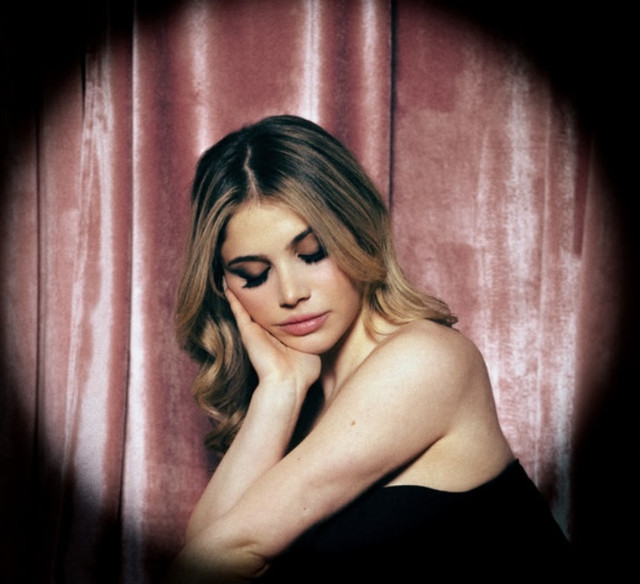
There is something really infectious about a song that simply wants to make you feel good. With “Happiness Looks Good on You,” George Collins set out to do exactly that, deliberately stepping away from the more reflective and introspective territory that has characterised much of his songwriting to create a joyful, celebratory track steeped in vintage soul and Gospel influences.

Inspired by childhood memories of watching Soul Train, as well as a lifelong admiration for The Staple Singers, the song channels the warmth, optimism and irresistible spirit of classic soul. The accompanying video takes that nostalgia a step further, taking inspiration from Billy Joel’s wonderfully retro “Tell Her About It” and imagining Collins performing with a vintage soul band on a 1960’s television show.

Created in collaboration with visual artist Marta Vorontsova, the video brings together Collins’ love of classic music, his playful sense of humour and a distinctly old-school visual aesthetic. We caught up with George to talk about the inspiration behind “Happiness Looks Good on You,” the making of the video, his love of vintage soul and the process of bringing the two together.

Tell us the story of this track. Why did you choose to visualize it specifically in this way?

As I was reviewing my catalog and planning my latest album “New Ways of Getting Old,” I realized that many of my songs are reflective and introspective and that I had very few “happy” songs. This was surprising to me, as I am generally an upbeat and happy person! So I intentionally set out to write a happy song. From the outset, I knew that I wanted it to be a celebratory song with a vintage soul vibe and a Gospel choir. I used to watch the TV show “Soul Train” when I was young, and I loved the Staple Singers – I thought Pops Staples was the coolest old dude in the world! I listened to their music continuously while I was writing and recording “Happiness Looks Good on you.”

What was the inspiration behind this new video (visuals, storyline, etc.)?

I am a huge fan of Billy Joel, and he, like me, is also a huge fan of vintage music – as evidenced by his wonderful retro album, “An Innocent Man.” He has a video of a track from that album, “Tell Her About It,” in which he plays a singer backed by a soul band performing on The Ed Sullivan Show in the 1960s. I love that song and the video, and I wanted to do something similar for my song.

What was the process of making the video?

I have been working with an amazing visual artist, Marta Vorontsova, for several years – she has created many of my lyric videos, and her work is absolutely first rate. (https://www.instagram.com/_imagikali_/) So I sent her the track and my basic ideas and she got to work creating the video. It was an iterative, interactive process, and after a lot of back and forth we ended up with a video we could both be proud of – and that I sincerely hope my audience will enjoy!

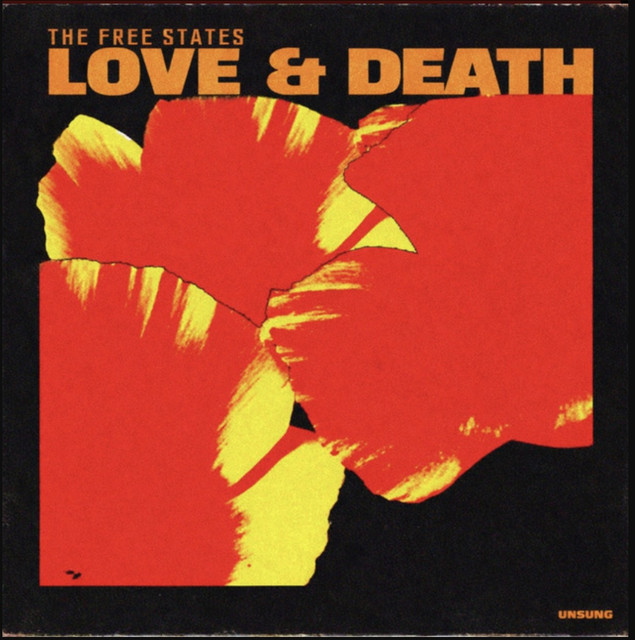
The Free States Let the Songs Do the Talking on “Love & Death”

thefreestates

There is something to be said for music that doesn’t immediately tell you what it is. In a world of genre tags, carefully curated aesthetics and songs apparently designed to make perfect sense within the first fifteen seconds, it is rather nice to encounter an album that seems perfectly happy to wander off and see what happens. No map or flashing neon sign saying this is the important bit, just a collection of ideas allowed to develop at their own pace. And that, in a nutshell, is rather what The Free States are doing on Love & Death.

The project of American songwriter Shaun Lyons, now based in Athens, Greece, The Free States has always been difficult to squeeze into one particular musical box, and frankly, why would you want to? There are traces of rock, soul, alternative music, experimental rhythms and a healthy appreciation of melody, but attempting to reduce all of that to a convenient label would miss the point. Lyons is interested in songs first.

“Definite” is a particularly good example. Built around the wonderfully human problem of being indecisive at a crucial moment in a relationship, it moves in 7/4, which is not generally the time signature one reaches for when trying to make uncertainty sound comfortable. But it works. There is an ease here that makes the unusual rhythm feel natural, while the song itself manages to be thoughtful.

Then there is the opening track “Most of All,” apparently born at three in the morning while Lyons’s electric guitar was lying beside him with the amplifier still switched on. Which is probably proof that sometimes the best songwriting advice is simply to leave the equipment where it is and see what happens. The song has a lovely sense of longing running through it, while strings, a refrain and a guitar solo give it a little more space and help distinguish Love & Death from the more guitar driven album that came before it.

Elsewhere, “Man the Baddies” brings considerably more muscle to the proceedings. What began around thoughts of war, friends being conscripted and the complicated question of what it actually means to move forward. It is energetic, rhythmically unusual and probably the heaviest thing The Free States have recorded, but there is no neatly packaged political statement waiting at the end of it. Lyons is more interested in the uncomfortable business of making decisions, which is rather more interesting than having the songwriter hand you a conclusion and ask you to tick a box.

Lyons has talked about songwriting as something that needs to happen before consciousness starts getting in the way, and there is freedom in that approach.

There is a similar freedom in the way the album was made. Recorded largely in Athens, with drums captured in several different rooms and vocals recorded together in another, Love & Death is clearly more interested in capturing a good performance than in constructing some immaculate sonic monument. Lyons makes much of the music himself, working with trusted collaborators when required, and there is something appealingly old fashioned about that. You have an idea, you make the record, you listen to it and you decide whether it works. Revolutionary stuff apparently.

Love & Death is an album that can groove, can rock and it can become rhythmically peculiar, it can pull back and allow a melody to carry the weight and it can occassionally make you wonder where on earth Lyons is taking you before realising that you rather like the journey. The Free States have remembered that the scenic route is where the interesting stuff happens.

Listen here:

Apropos Brings Soul Music’s Past and Future Together on Latest Single “10th Floor”

apropos

There are certain artists whose music feels connected to a much larger conversation. Artists who understand that every generation adds another layer to the sounds that came before it. With his latest single, “10th Floor,” the Detroit singer-songwriter Apropos draws from decades of soul tradition while creating something that is unmistakably his own.

From the opening moments, “10th Floor” establishes a world of warmth and atmosphere. The track moves with smooth confidence, built around rich piano melodies, subtle grooves and Apropos’s distinctive vocals. His voice has the character of classic soul – full of texture, full of emotionv-vwhile the production places the song firmly within the landscape of contemporary R&B.

“10th Floor” explores the memories attached to certain places and the way a shared moment can transform an ordinary space into something meaningful. It is a song about connection, and the comfort found in creating a private world with another person.

Apropos understands that some of the most powerful emotions exist in quieter moments. In the conversations after the excitement has faded, the familiar routines and the memories that continue to return long after an experience has passed. He captures those feelings with sincerity.

Produced by Jake Bass, “10th Floor” brings together organic soul influences and contemporary production techniques with impressive balance. The arrangement is carefully considered, from the layered harmonies to the subtle instrumental details, to contribute to the overall mood. The song creates an atmosphere that honours the emotional foundation of soul music.

Apropos’s journey adds another layer of meaning to this release. After gaining national attention with his appearance on The Voice, he stepped away from the spotlight to focus on rebuilding his voice and refining his artistic direction. That time of reflection has led to music that feels more focused and confident, shaped by experience and a deeper understanding of his own creative identity. Throughout his career, Apropos has embraced the idea of being a bridge between generations of music. The influence of Detroit soul, gospel traditions and classic R&B can be felt throughout, but they are woven into a contemporary sound that speaks to today’s listeners.

Apropos demonstrates clarity here. “10th Floor” is very much a statement of artistic purpose from a musician who understands where he comes from while continuing to explore where he can go.

Keep up with everything Apropos on his Website

Zoey Madison’s New Single “love like you” is a Summer Slow Burn Worth Stopping For

ZOEYFINAL

Zoey Madison’s new single love like you doesn’t try to compete with the seasonal noise of summer playlists, and that’s why it stands out. While much of the current pop landscape leans into upbeat, sun drenched production, Madison offers us a grounded piano led ballad.

Built around a simple but expressive piano motif, the song introduces Madison’s vocal in an uncluttered space. And there is much clarity to the musical arrangement too which feels intentional from the outset. Instead of rushing into a hook or chasing a beat, love like you reveals itself in a more subtle way, allowing emotion and instrumentation to build in tandem.

Listen in here:

Producer, mixer and co-writer Matt Chiaravalle shapes love like you with a song first approach, and guides its evolution from intimate piano sketch to a sweeping, string-laden ballad without losing any of its emotion. Charlie Paxson on drums adds a subtle momentum without disrupting the song’s intimacy, while the inclusion of live strings featuring Dave Eggar on cello and Ada Pasternack on violin expands the emotional scope more.

At the centre of it all are Madison’s stunning vocals. Possessing both technical control and a natural sense of phrasing, she resists the temptation to over perform, although with her power she certainly could, but here the space and silence allows her to rise into more powerful moments. The song doesn’t require additional embellishment to prove its impact.

love like you isn’t a “summer song” in the conventional sense as there are no glossy hooks built for poolside playlists or immediate radio hooks. It does sound like the kind of track that stays outside of trends. A piano ballad rewards listeners who give it time.

There’s also a strong sense of storytelling running through the performance. The layered vocals add depth without much clutter, and reinforce the song’s central theme of connection without going into melodrama.

Recorded between Flux Studios and Mercy Sound in New York’s East Village and mastered by Joe Lambert, love like you carries a polished production finish that leans into warmth, space and dynamic movement. A reminder that simplicity when handled with care, is far more powerful than pure excess.

Zoey Madison may be an emerging name in pop, but love like you definitely suggests an artist with a clear sense of direction. She is building atmosphere, emotion and longevity into her sound and this piano ballad is ultimately more enduring.

Keep up with everything Zoey Madison on her Website

Stream music on Spotify and Apple Music

ellakate’s “What Fun” Is the Sound of Taking Your Power Back

ellakate

Some songs hit hardest not because they are loud, but because they name a feeling you’ve been living with quietly.

ellakate’s “What Fun” does exactly that. Dark, moody and quietly self-assured, the Atlanta based artist delivers a song that is less like a performance and more like a late night realization finally taking shape.

Listen in here: 

“What Fun” explores the emotional whiplash of a volatile relationship. The kind where you start shrinking yourself to keep the peace, second guessing your instincts and replaying conversations long after they end.

ellakate captures that headspace with a striking atmosphere. Her vocals are calm but weighted, as if she is already tired of explaining herself and the understated production gives the song room to breathe without losing its edge.

What makes the track especially resonant is how relatable it feels. This isn’t heartbreak dressed up for drama. It is the slow unraveling of clarity and the quiet relief that comes with recognizing it. The song taps into themes that many people, particularly women, know well – gaslighting, emotional fatigue and the moment you realize your voice deserves space again.

There’s a polished coolness to “What Fun,” but never at the expense of honesty. It’s the kind of song that fits perfectly into a solo drive, a reflective morning routine or the exact moment you decide you’re done accepting less than you deserve.

With “What Fun,” ellakate positions herself as an artist unafraid to sit in uncomfortable truths and turn them into something empowering. 

About ellakate

ellakate is an Atlanta based singer songwriter with music that blends alt pop melodies with raw, lyric driven storytelling. Raised in a musical household, and currently a student at the University of Notre Dame where she also fences competitively, she channels her own experiences with mental health, identity and resilience into songs that are full of truth and vulnerability.

Channeling influences from Billie Eilish to Fiona Apple, ellakate is creating music that is bold, romantic and cheekily relatable. She is a fresh, authentic voice in today’s pop landscape. Whether she’s on stage, in the studio or sharing glimpses of her life online, ellakate builds space for honesty and connection through music.

For fans of emotionally charged alt pop ellakate is an artist to watch.

Keep up with ellakate on her Website

Stream music on Spotify and Apple Music