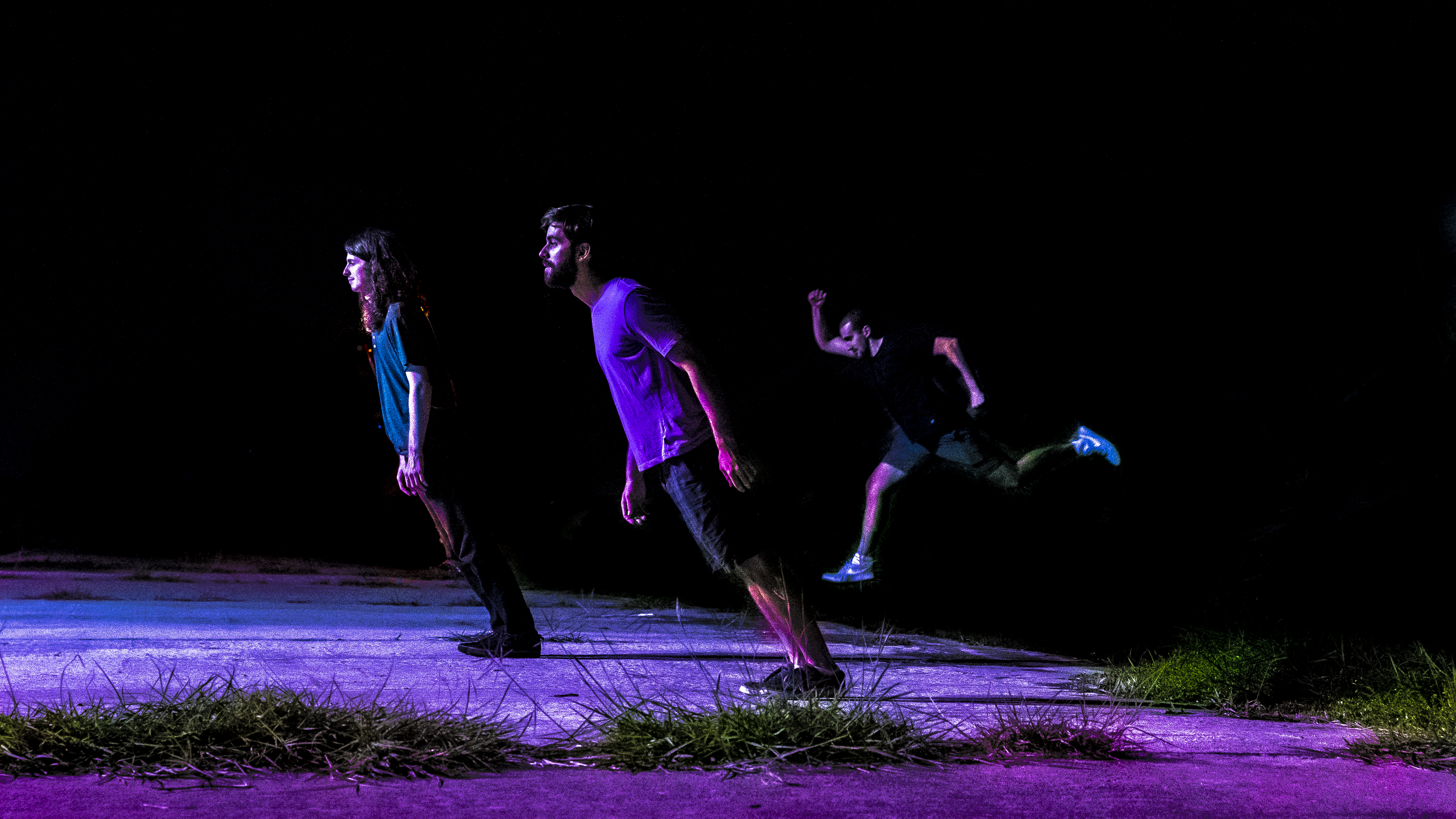
Zack King, the young Minnesota musician, is not afraid to get real in his newest single “Hit and Run.” He isn’t afraid to get personal and vulnerable when it comes to his music, and “Hit and Run” is no different. This song in particular is about growth and the strength and bravery it takes to move forward rather than desperately hold onto the past. Zack shares that “trying to hold on to who you used to be can be toxic, especially when you don’t recognize that person anymore. Looking in the mirror and seeing a new person can be scary, but also rewarding. Why not give the new you a chance and see what good can come from it?” People evolve all the time. Zack asks whether you want to embrace who you become.
Zack just released the music video for “Hit and Run” which is a wonderful visualization of this journey. While this story is based on Zack’s own experience, he uses his knowledge to help others grow. This acoustic style pop meets grunge song is for those who don’t like who they’ve become. Zack, for example, felt lost and alone after graduating college and turned to drugs and alcohol to try and find who he was. On top of that, he treated the people he loves the most poorly. After time, all of these bad habits and behaviors towards himself and others made him realize that he no longer recognized the person staring back at him in the mirror. He became unrecognizable to himself. So, he set out to change for the better.
While he doesn’t like who he was looking back, he accepts it and sees that it wasn’t all bad. It was part of his journey and he was able to learn and grow as a person. “It’s okay to move on from a past life, especially when it will benefit you, and those around you,” Zack shares. “Don’t be afraid to take that leap from who you used to be, to who you want to become.”
Christian Parker is a seasoned singer songwriter, recording artist and guitarist from Canton, New York, United States. His new single, taken from the album of the same title, “Every Passing Mile” is a beautiful, emotional song with wistful lyrics and a haunting electric guitar hook.
Parker has been recording music for the last thirty years. Notably, his songs center around themes of the stories of others he knows, as well as the things that we all deal with. Worries, trials, successes, tribulations. The ever-changing ups and downs of life.
“Every Passing Mile” is the story of a relationship now gone. With the passing of time, the feelings for a love gone become more haunting, more memorable in some ways. There is a lovely bridge with the electric guitar, and a lilting chorus that complements Parker’s vocals.
Although melancholic and written with minor chords, this song has an uplifting chorus. There is rhythm, a unique sound to the electric guitar, and an overall musical sound that is profoundly memorable.
Saint Mars comes from the musical minds of Marc Darcange and Angelo Bruschini, the lead guitarist of Massive Attack. They are driven by not only their musicality and creativity, but also Marc’s own experiences with bullying as a child. They released their first EP in 2017, which drew lots of press and worldwide attention. Everything changed in 2017 when they met Tryzdin Grubbs of Ohio, who they discovered through his viral video of Adele’s “Hello.” Hand picked by Marc Darcange, he and Tryzdin share a similar story of bullying, which made their connection a match made in heaven.
Their newest single, “The Last Dream Ever Made,” features Tryzdon’s powerful and beautiful vocals. The song is a pop synthwave track with a big Depeche Mode vibe. “This is a song I had in me since I started making music and the fact that it has finally been given birth thanks to the voice of a young teen of the generation Z sharing the same footprint of social problems has for me a meaning beyond words,” says Marc. The song means a lot to him and the group as a whole. While the song is inspired by the feelings of isolation and outcasted, it’s more about finding the light in the dark, the strength in the sadness, and not giving up no matter the circumstances. It’s a reminder that you will come out the other side.
Listen to “The Last Dream Ever Made” here:
Tryzdin shares what this song means to him: “Music is a passion and something I want to share with the world, and something I am so proud to be doing with Saint Mars! ‘The Last Dream Ever Made’ is so powerful and really truly captures what music is all about. Music is about being different, stepping out of your comfort zone, and BEING YOU. Don’t be like anyone else, do what your heart tells you to do. Love yourself and be confident.”
You can find more on Saint Mars and their story and Anti-Bullying campaign via:
Goose Bolton is a mysterious figure, who we are told came from outer space and crash landed here on earth in early AD 2021 after an intergalactic heist went awry. He has been releasing experimental music for a while, and his latest single/video “Lunatic” is one of them.
We spoke with Goose about this strange, yet powerful video:
Tell us the story of this song, why did you choose to visualize this song specifically?
The song originated as a sonic accompaniment to a story about someone who starts hallucinating that inanimate objects can speak to them. When conceiving of a music video, I chose to visualize this song because it’s one of my favorites on my upcoming record and because, thematically, it felt like the most appropriate starting point to accompany the strange images and narratives that swirl around in my head. I didn’t feel locked into any single specific narrative with this song, and so the Tiger Ji (the director) and I could really let our minds run free during the brainstorming process.
What was the inspiration behind this video(visuals, storyline, etc.)?
The initial inspiration for this video began a dream that Tiger had, which contained the specific image of men in business suits wriggling down a city street while wrapped in plastic. This was the springboard for us deciding that the video should be about a person who is seeing something crazy in the city (that only they can see) and their response to that. Initially, we were going to have the video’s main character be chased by fish people, but then we decided that lizard people would be more relevant to contemporary conspiracy theory as well as more thematically interesting, as it lets our main character wrestle with her own reptilian identity by the end of the film. We were aiming for a very specific mood that mingled elements of the absurd, science-fiction, horror, and comedy. I decided it made sense for the main character to be wearing a hospital gown after having escaped an asylum because the word “Lunatic” to me always seems like it’s a title assigned by society to an individual, rather than a subjective state that the individual feels (“crazy” for instance feels more like it can be either an assigned title or a subjective identity), so the hospital gown was the most efficient way to convey that this person is The Lunatic. The version of lunacy we wanted to explore in this music video is not mental illness. Rather, it is a label thrust upon a person by others in response to that person’s reaction to outside factors or new knowledge. This is important because the main character is not insane—she’s just the only person who can see the lizard people.
What was the process of making this video?
We filmed the video over 2 days across different areas of New York City in both Manhattan and Brooklyn. The final climactic scene with (spoilers) all of the dancing lizard people is the rooftop of a parking garage on the Lower East Side of Manhattan, most of the street pursuit scenes were shot in Bushwick, and we filmed the subway scene at the 2nd Ave subway stop in Manhattan as well. The shoot was incredibly smooth with zero hiccups. Tiger is the kind of director that has every single shot meticulously planned and storyboarded weeks ahead of the shoot, which led to a fun and efficient filming experience where we could focus primarily on the emotions and physicality of the actors in each scene.
Brooklyn-based rockers are hitting the ground running with a fresh new slew of releases. Recently they debuted with their track “Flip Out Zone” and extraordinarily energetic music video! In honor of today being World Mental Health Day we thought there was no better band to feature since Mike, the band’s drummer, is a firefighter and no doubt would have an interesting perspective on the topic. Read on to find out more!
Tell us the story of this song, why did you choose to visualize this song specifically in this way?
The obvious dilemma we all are experiencing is the Corona Virus blues and the insanity of the times swirling around us. We thought about Flip Out Zone as being an anthem to the insanity, and something of a statement as to what we’re all experiencing in some form or another. The fact is, we’re all living a life that is in the Flip Out Zone during these times of self-isolation and fear. We felt like it was time for us to stand up, take a deep breath and scream about the madness through our music.
What was the inspiration behind this video (visuals, storyline, etc.)?
We wanted to share the frustration of the times and at times just life in general. In a way describe the vibe of the mundane versus a satisfied life like where the construction worker is banging his head on the wall just suffering from the boredom and stress of the day. In other scenes we show teamwork and camaraderie with people enjoying what they are doing like in the office scene, or the folks at the end running with the wheelchair still happy with life and making the most out of the moment. Its truly a yin and yang predicament that we all have a choice in life to make. Either be a drone and follow the path of the established norm or follow your passion.
What was the process of making this video?
We put together a great team to assemble the video, Matt Greene is the Producer of the piece and he came out and shot scenes with the band to capture the musical aspect of the piece. Then he assembled some footage to tell the story about the situation of ups and down from satisfaction to disenchantment in the workplace and at home. His goal was to illustrate what its like to be caught in the run around of anger and despair versus the life of achievement and fulfillment.
What importance does World Mental Health Day have for you?
Mental health these days is so important in our lives; the good news is you are not alone. Learning about mental health challenges is the first step towards helping each other. Having the open door to learn and educate one another about the problems in our lives is what leads to cures and care. There is no stigma involved in mental health issues, it is a very normal part of our society and one that with open hearts and souls in the end can provide a great deal of support and healing. We’re all dealing with the unprecedented impact of a global health emergency known as COVID-19, which has levied some form of trauma for each of us in our lives that affects us in profound ways. Everyone either knows someone that has had the Corona Virus, had it himself or herself, or worse known someone that has died because of having the sickness. We are all suffering from Post-Traumatic Stress Disorder (PTSD) these days. We are exposed to horrible things on the news, social distancing, isolation, fear, and uncertainty about our future. The importance of World Mental Health Day is, people are here to help and there are ways to cope and succeed and we can win if we work together.
What are some ways in which you tend to your Mental Health overall?
The main way is through our music. Having the ability to be playing songs with the band forces us to forget the issues of the day and focus for a little while on the music alone. There is nothing like beating the drums with sticks to help you release some tension and anxiety I always say. Another way is through regular exercise and a healthy diet. Staying focused on what I eat and how much I exercise directly affects how I feel throughout the day.
Do you feel your career as a firefighter impacts your mental health?
Yes, the job of a firefighter is a stressful position. Bottom line, you are responding to people’s homes for fires or health emergencies or to a motor vehicle accident for something that has gone horribly wrong and you are there to help people in their times of need. Sometimes you see very upsetting things that affect your mental health, and you carry those incidents with you the rest of your life. As I drive down the roadway 20 years later, I can still recall car accident scenes from the past and I can picture the twisted wreckage with people trapped inside, the smell, and recall the carnage that I witnessed at 3am that night. It’s something that you just learn to deal with overtime and something to chalk up to its part of the job. The good news is the fire service has come a long way in terms of mental health awareness and prevention. Through programs for education, peer counselors and open communication, we have begun to help fellow firefighters deal with these types of incidents in a more productive way.
If you could share one message with our readers about Mental Health, what would it be?
Do not be afraid to ask for help, you are a stronger person if you reach out to someone for help then you are if you keep it inside. There are wonderful people in this world out there willing to help serve and protect us all when we are in our times of need. Be proactive and take charge of your own health and prevention and education can serve you well.
Over the CMJ week, Modern Mystery got to catch up to the pulsating 60’s sounds of Ghost Wave.Based out of Auckland, New Zealand, the band projects unconcealed and organic reverberations, while administering room for pioneering layers of new age rock-n- roll. With this being their first-time tour in the states, Ghost Wave discuss the fluidity of their sound, getting hassled by panhandlers in Venice Beach, and continuously expanding their musical grounds.
***Due to an immense amount of city noise and static during the initial interview, the recording underwent a few transcribing errors. This article has been modified and re-edited since it’s first published version. ***
How did you initially come up with your band’s name?
Matt: We don’t actually know how it came up or what’s behind it, it kind of just eventuated. It has not specific meaning, maybe just holds a vibe.We came up with one song first, and then we needed a name, and then we needed a band after that!
How was your project formed? Were you all friends prior to the formation of Ghost Wave?
Matt: Well Eammon is from Wellington,, and he was making a ton of music, so he decided to move up to Auckland.I’d seen him play a couple times, and I was interested if we could collaborate and create similar sounds to the music that I was familiar and interested in. We had about four bass players before Mike came along.
Mike: I lived in the south part of New Zealand, and I used to be friends with another bandmate of Ghost Wave. I then ended up taking his place, and started playing with these guys.I didn’t really know them before I joined, we became friends after we started creating together.
Eammon: Yeah, I didn’t know Matt at all. We were just always going to each other’s shows.
Matt: I bugged Eammon quiete a lot to be my friend, haha!
When did you first begin writing music?
Matt: I was always interested in developing my own sound, and with our band we put our vibes together, mixing different intros and creating from that base. Mike’s parents are very musical. My Dad introduced me to records at a young age
Mike: I’ve been playing bass since I was about 11. My first band was called The Weeds.
Where did you get that idea from?
It was a band that was put together by our music teacher, when I was about 12 years old. I followed through and played in bands while I attended high school, and just kept kicking at it.
Eammon: I didn’t actually play drums until I came to be a part of Ghost Wave, and started jamming with Matt at his house. I’ve been playing instruments since I was really young.My first instrument was a keyboard, I jammed on casiotone quiet a lot.
This is your first time performing in America, have any of you visited New York before?
Mike:This is our first time performing outside of New Zealand.Eammon visited the states a few times before, but this is my first time being here!
Matt:I’ve never left New Zealand, this is my first time exploring.
How long was your flight and what did you mostly jam to on the plane?
Mike: It was a pretty exhausting because we had to fly through Melvin,and then back over New Zealand, and then finally to Los Angeles. It was about a 16-hour flight. I watched a bunch of movies.
Matt: I downloaded a pile of psychedic sitar rock jams, just something to keep me interested for such a long way.
Eammon: I got into this new age meditational music. There was this thing on the plane with a video and music, that helped you go to sleep. It kept repeating, just take a deep breath, just relax! I guess sometimes being on a plane can get pretty gnarly.
Mike: They also had skycam on the tail of the plane, and I watched the flight for a lot of the time.
Judging from your recent shows and first impressions, how would you say the NYC music scene differs from that of Auckland?
Matt: Haha, well the difference is that in New York there IS a scene.
Mike: Also, when we play in New Zealand there’s not a huge communication between us and the crowd.A lot of times it’s bands playing to each other.
Eammon:It’s nice to have a different audience here, and have people be a lot more forthcoming. It’s refreshing to be here.
So how does most of the promoting for bands work back home?
Matt:We’ve always taken the responsibility for the way our band is perceived and putting ourselves outwards.There are not a whole lot of outlets. There is a couple of websites where you can put your band’s poster up.It’s a lot more limited and restricted.
Prior to your arrival to New York City, you played two shows in Los Angeles, how did your first U.S. show with The Golden Awesome turn out?
Mike: Those guys are also from New Zealand.The show felt really natural and organic, it was really fun playing together, we truly enjoyed it.
Matt: A stage is a stage, haha!
Did you have enough time to venture out around Los Angeles?
Mike: We got hassled by some guy down in Venice Beach. He just started asking me to check out his music and buy his albums. He kept telling me “Check it out man, I’ll give it to you. Just give me a donation”. And then another guy came along, and I don’t even know how I ended up talking to all of them in the first place. I guess I can’t always be a nice guy.
Can you expand on central processes of making recently released self-titled debut EP?
Matt: There’s no formula to it, we come together and it sort of just evolves naturally. We can write parts with one-piece, two-piece, three-pieces fragments and then combine everything. It’s all very unstructured, but that’s what we’re going for. We also practiced a ton in this space which used to be a huge weed plantation. There were fake walls in the building when we initially arrived there. I’m pretty sure those people got raided by the police, and then the spot was converted for practice purposes.We have a new rehearsal space now though, we usually practice a couple of times a week. It’s at a place that was prior used for brewing whiskey.
Eammon: It’s nice not to have any noise restrictions, we can play as loud as we want, which is awesome.
What is the most exciting part about playing CMJ?
Matt: Well, we’ve always wanted to come to New York, whether it was for CMJ or not, so having the chance to play our music in the city has been great. We wanted to go explore festivals like SXSW and CMJ, and we’re glad to be a part of it.We’ve done shows before, but not for such a prolonged period as with this festival. New Zealand is so small, it’s refreshing to be able to check out different music scenes and get out of the comfort zone.
You must be logged in to post a comment.