As a founding member of the all female Led Zeppelin tribute band ZEPPARELLA, and the force behind introspective solo projects like Nothing Will Keep Us Apart and Clem & Clearlight, Clementine Moss has long balanced raw rock power with a spiritual depth.
Her latest work continues this exploration, blending poetic songwriting with personal transformation.
In this exclusive interview, Clementine opens up about the emotional and spiritual shifts that inspired one of her most evocative songs called “Coming to Meet The Blues”.
Created during her journey toward sobriety, the track and its accompanying music video captures the ache of existential questioning and the haunting beauty of roads not taken. Working closely with visual artist Luigi Florente of Blackstars Studio, Clementine brings to life a narrative of romantic memory, longing and awakening. All framed through a vintage lens that echoes the soul of the song.
Here, she walks us through the heart of the piece, the vision behind the visuals and how art continues to help her meet life without the veil:
1. Tell us the story of this song, why did you choose to visualize this song specifically in this way?
I wrote the album, and this song in particular, as my life was shifting and I was becoming sober. The songs on the record ended up being a kind of love letter to the life I was leaving behind, the late nights in bars, substance-induced hazy moments where judgment was maybe not present. Those moments could be beautiful and creative, but also illusory and over time I began to be more excited by meeting life without a veil.
This song is about that feeling of longing that is existential, when alcohol takes over and you begin to question all the choices that brought you to this point. The narrator of the song sees someone across the bar and paths not taken come into view and amplify the question… have I made the right choices? Is this where I thought I was going? Is the uncertainty I feel about myself truth or mistake?
2. What was the inspiration behind this video (visuals, storyline, etc.)?
I work with Luigi Florente of Blackstars Studio in Spain to do the videos for the album. I ask that he work with clips and footage without AI generation, and he has a wonderful way of getting inside the song and telling the story. He chose to tell the story of lost love here, and we loved the romantic visuals.
3. What was the process of making the video?
Luigi finds the clips and puts the story together, and then I bring the video into Wondershare and add some lighting and texture. I love working in that program, as there are so many options to use so easily. I love things to look vintage, and the various options of light leak filters really add to the romance.
Lil’ Red & The Rooster slow the pace and turn up the elegance on “Melancholy Mood,” the fourth single from their forthcoming album 7.
With a tip of the hat to blues greats T-Bone Walker and Dinah Washington, this track is a smoky and slow burning gem dripping with class, control and emotional finesse.
Jennifer “Lil’ Red” Milligan delivers the vocals with a velvet gloved hand, allowing every word linger in the air like perfume in a dimly lit club. There’s pain here for sure, but it’s the kind of pain worn like a tailored dress – graceful, knowing and timeless. Her phrasing moves with the same unhurried confidence as a singer who understands what it means to have restrain.
Pascal Fouquet’s guitar work is pure vintage cool. His tone is warm and articulate, never showy. It’s just the right bends, the right space and the kind of touch that makes the blues feel intimate and eternal.
Bobby Floyd’s B3 organ swells beneath the track with a soulful subtlety, while Jean Marc Despeignes (bass) and Pascal Mucci (drums) keep things locked in with a hushed, heartbeat rhythm section that lets the emotion breathe.
As part of 7, “Melancholy Mood” feels a lot like a candlelit centerpiece. A moment of reflection that invites listeners to lean in closer. It’s not just a love letter to classic blues, but a confident entry in that lineage, re-imagined with the Rooster’s signature “retro modern” touch.
In a world that often moves too fast, “Melancholy Mood” is a reminder that sometimes the deepest feeling comes in the quietest swing.
Lil’ Red & The Rooster’s upcoming album 7 is a rich blend of gospel, blues, retro soul, and pop jazz rooted in a distinctly 1960’s vibe. Featuring seven original tracks, including an instrumental and a gospel blues opener, the album explores themes of freedom and soulful transformation. With Grammy-nominated Bobby Floyd on B3 and piano, 7 is both elegant and gritty, nostalgic and fresh.
The full album drops August 22, 2025, with singles released every three weeks along the way!
Find out all about Lil’ Red & The Rooster on their Website
Lil’ Red & The Rooster’s latest single “Stack ‘Em Up Baby” is a whole vibe. A low-slung groove with a wink in its eye and a strut in its step, the track oozes vintage soul and playful cool while bringing something unmistakably fresh to the table.
From the opening piano flourish, you are unmistakably dropped into a smoke-filled jazz lounge where every note has purpose and every phrase is dressed to impress.
This is retro-modern blues at its finest. Jen “Lil’ Red” Milligan’s vocals glide with a feline style finesse – cheeky, sly and drenched in charisma. In this son, Lil Red is not just singing about stacking ’em up, she is the dealer, the mood-setter and the ringleader of this cinematic scene. Her delivery evokes the smoky sophistication of Rickie Lee Jones, with the soul deep phrasing of vintage jazz and blues greats, filtered through her own unique sass.
Pascal Fouquet, the “Rooster” in this bluesy power duo, brings his signature elegance on guitar.
His touch is tasteful and timeless, letting each note breathe and smolder, and skilled application of tone, groove and a deep understanding of the genre’s roots. His playing is the slow burn to Lil’ Red’s flickering flame, and together they create a dynamic that is impossible to fake.
And then there’s the not-so-secret weapon – Grammy-nominated keyboardist Bobby Floyd (Ray Charles, Count Basie Orchestra, Dr. John). His B3 and piano work provide that plush, cinematic backdrop for this slow-burner, anchoring the whole production in something rich and luxurious. His presence is testament to the band’s commitment to real musicianship, deep soul, and that indefinable thing we call “feel.”
“Stack ‘Em Up Baby” leans into a nostalgic groove dripping with class and intention, much like the theme song to a 1960’s detective film that never got made but should have. There’s drama, there’s flirtation and there is an undeniable joy in how the band navigates the space between blues, jazz and retro soul. It’s as much a mood as it is melody.
And this track kicks off off a waterfall release schedule, leading up to the release of the duo’s upcoming album called “7”. If this track is the opening move, consider us all-in.
“7″ promises to explore themes of freedom and rising from adversity – core values that have always quietly pulsed beneath the surface of Lil’ Red & The Rooster’s work. But here, with “Stack ‘Em Up Baby,” those themes get dressed up in velvet, high heels and attitude.
Lil’ Red & The Rooster have never been content to just rehash the blues. They really embody the blues. And with this new era, they are showing that the blues is thriving and ready to seduce a new generation.
So go ahead. Put it on. Stack ’em up, press play and let this tune swagger into your soul.
There’s something quietly powerful about Brooks John Martin’s new single “Clear Blue Waters“. It doesn’t beg for attention or push too hard. It just is, like the tide rolling in.
Brooks John Martin has always had a way of making music that feels lived-in. Songs that sound like they’ve been with you forever. This one is no different.
There is an openness to it and a sense of movement. You can feel the road stretching ahead, and you can feel the ocean right there beside you. It makes sense, then, that the video to accompany the song was filmed along the Pacific Coast Highway.
That winding stretch of California coastline where land meets sea, where the road feels endless, is the perfect companion to a song about clarity, renewal and the pull of something familiar. But with the devastation of the recent wildfires, those images carry more weight. Beauty and loss, destruction and rebirth. This is all wrapped up in the song’s quiet insistence that we keep moving forward.
Brooks doesn’t overcomplicate things. The lyrics are simple but that’s what makes them carry more emotional weight: “I come from clear, blue waters. Come back to the clear blue water with me.” There is no forced nostalgia here, no pretense.
And then there is Brooks’s voice. It’s not flashy or trying to prove something, but on the contrary is like someone who has been through enough to know what really matters. The arrangement mirrors that same restraint – lush but not overdone, layered but never heavy.
“Clear Blue Waters” is the kind of song that sticks with you and makes you want to get in the car, roll down the windows and just go.
About Brooks J Martin
Brooks J Martin is a singer-songwriter from Cedar Falls, Iowa, and is known for his introspective folk music, evocative lyricism, and lush, cinematic arrangements.
Over the years he has recorded under various monikers including Toast, The Blue Danes, and Frank Hansen. But his latest self-titled release marks a turning point – an unfiltered, deeply personal artistic statement.
Taking inspiration from legends like Woody Guthrie, Neil Young, and Leonard Cohen, Martin writes songs that favor mood over strict narrative, allowing listeners to find their own meaning within his impressionistic storytelling.
Ben Killen’s debut solo track “Singing River Blues” is an evocative blend of acoustic blues and Americana, rooted in personal loss and the timeless emotions found in music.
The song, written during a turbulent time in 2012, channels grief, hope, and connection, drawing on Killen’s own experiences with profound family losses. The deeply personal lyrics and haunting steel guitar create a narrative that resonates universally, offering a tribute to the legacies of loved ones while bringing in the influence of blues pioneer W.C. Handy.
Bringing this emotional masterpiece to life visually was a new frontier for Killen, who took on the roles of director, producer, editor, and star in the music video for “Singing River Blues.”
The project became an ambitious labor of love, combining intimate moments of Killen lip-syncing his studio performance with carefully curated stock footage and choreography provided by strategic partners, including the lloolk agency and BDKMG. The result is a dynamic and deeply symbolic visual journey that enhances the song’s narrative layers.
The steamboat featured prominently in the video, for example, is not just an image – it is a metaphor for the enduring currents of musical heritage that flow through generations, tying together contemporary artistry back to the roots of the blues.
Killen’s own on-screen presence, filmed in his Brooklyn apartment in front of a glass IKEA wardrobe assembled with his mother, adds a raw moment, underscoring the deeply personal nature of the project.
Creating the video was not without its challenges. Working within a limited budget and using a crop-frame DSLR, Killen pushed the boundaries of what was possible, spending countless hours perfecting the edit and overcoming technical hurdles, including rendering the final product in full 4K resolution. The process, which required his Mac Mini to run for 13 days straight, truly shows his determination and creative resourcefulness.
Yet, it was also a learning experience that opened doors to future possibilities.
“I think I did literally every piece,” Killen reflects with a mix of humor and pride. “It was a lot of work, but I learned so much, and now I know what’s possible.” The finished video, polished and professional, stands as a milestone in Killen’s artistic journey. It is stunning blend of visual storytelling and musical expression that honors the legacy of the blues while carving out a unique space for his voice.
In this behind-the-scenes exploration, Killen shares the story of how the music video for “Singing River Blues” came to life. From its symbolic depth to the creative triumphs and challenges faced along the way.
Watch the video to “Singing River Blues” here:
1. Tell us the story of this song, why did you choose to visualize this song specifically in this way?
The song, the words at least, came about quickly. It was just a simple moment sitting on the couch in my East Harlem ‘El Barrio’ apartment, that place had a really beautiful skylight, and plenty of windows. But it was a bright afternoon in the days shortly after I had returned to NYC from home, Dad’s funeral, all the whirlwind as I call it. Mom just sent me a simple text, nothing too extraordinary but just mentioning that she wasn’t feeling all that good that day. Of course, the dutiful son that I am I sent out my sweetest emojis and most heartfelt sentiments but even that didn’t seem near enough in such a weighty moment.
So that’s when the song’s first line written came into being: “Operator call me, Mother’s on the phone. Got to get my message out to her that she’s not alone.” It’s not the first line of the song, as many have stated, but it was the first one written. I chose to visualize the song in this way because, TBH this is me working on a shoestring budget, but still wanting to produce an end product that is on par with that of my musical heroes, perhaps a bit earlier in their careers, if not now.
Of course the archival footage of my amazing dancers it not mine exclusively. Somebody else probably already has and well they should also use them in their own music video (I could even produce a “BTS” how-to tutorial, if there’s sufficient interest, but that’s another story for another video!) But I honestly was pretty happy with the results of the (admittedly uncharted) 1080 to 4K footage upscaling workflow I ended up using. If I’m honest, I think the process could be of benefit to other artists like me.
2. What was the inspiration behind this new video (visuals, storyline, etc.)?
I wanted the visuals to be as dynamic and engaging as possible. Also, I took great pains to ensure everything was cut in-time with the music. Not every cut is beat sync’d but the majority of them are. In my opinion, this is the best way to cut a music video that feels cohesive with the song. I mean, unless its a really slow ballad or something, I don’t think it would matter as much, but for a song like mine, where the beat is foundational, elemental.
I’d imagine it’s a bit generous to say my video has a true ‘storyline’ but more than anything, I wanted the visuals to reflect the words, content and meaning of the song, so every effort was made to choose footage specifically with that in mind, but also we were lucky to have access to the lloolk agency’s vast media resources enough to select footage that I feel confident is both of excellent quality but also correlates strongly to the meaning of the song and the lyrics. In prior interviews I had mentioned all the “Easter eggs” in the video, but I suppose there are more of those sonically in the music, than the video, but the video remains true to the music.
3. What was the process of making the video?
I guess I touched on this a little bit already, but I started with a bunch of really excellent quality stock footage, the scenes of the dancers and party scenes, but also a lot of the abstract shots, drone footage, and coverage for the heavier autobiographical “dozen” stuff, loss of loved ones, processing of loss, etc. I couldn’t have imagined the project without that excellent quality footage to start with, but the problem was, as excellent quality as it all was, it was only 1080, and of course nowadays 4K is basically the standard, so I knew I wanted to upscale, so not to get too far down into the weeds of the technicalities, but thankfully I’d discovered Topaz’s amazing Gigapixel video upscaling suite (or whatever they call it) and, despite the fact that it took my poor little Mac mini two weeks (13 days rendering, 24 hrs straight) but the eventual output was stellar!
Each of my clips lost a little length (primary in the “handles”) but knowing I already had to re-cut everything to get my cuts beat-sync’d, as I knew they had to be, I already knew everything was getting chopped up anyway, so I just worked around it. Some of the shots might seem unnecessarily short, I’m thinking the amazing shots we found of the horn sections and trumpet players, but ultimately, I’m really happy with the end result.
The irony is, in the end, I think the upscaled footage actually looks a little better than my talking-head style footage of me “singing” (lip sync’ing to my own studio vocals) which was actually shot natively in 4K. I used mid-level Mac hardware and DaVinci Resolve to cut everything together.
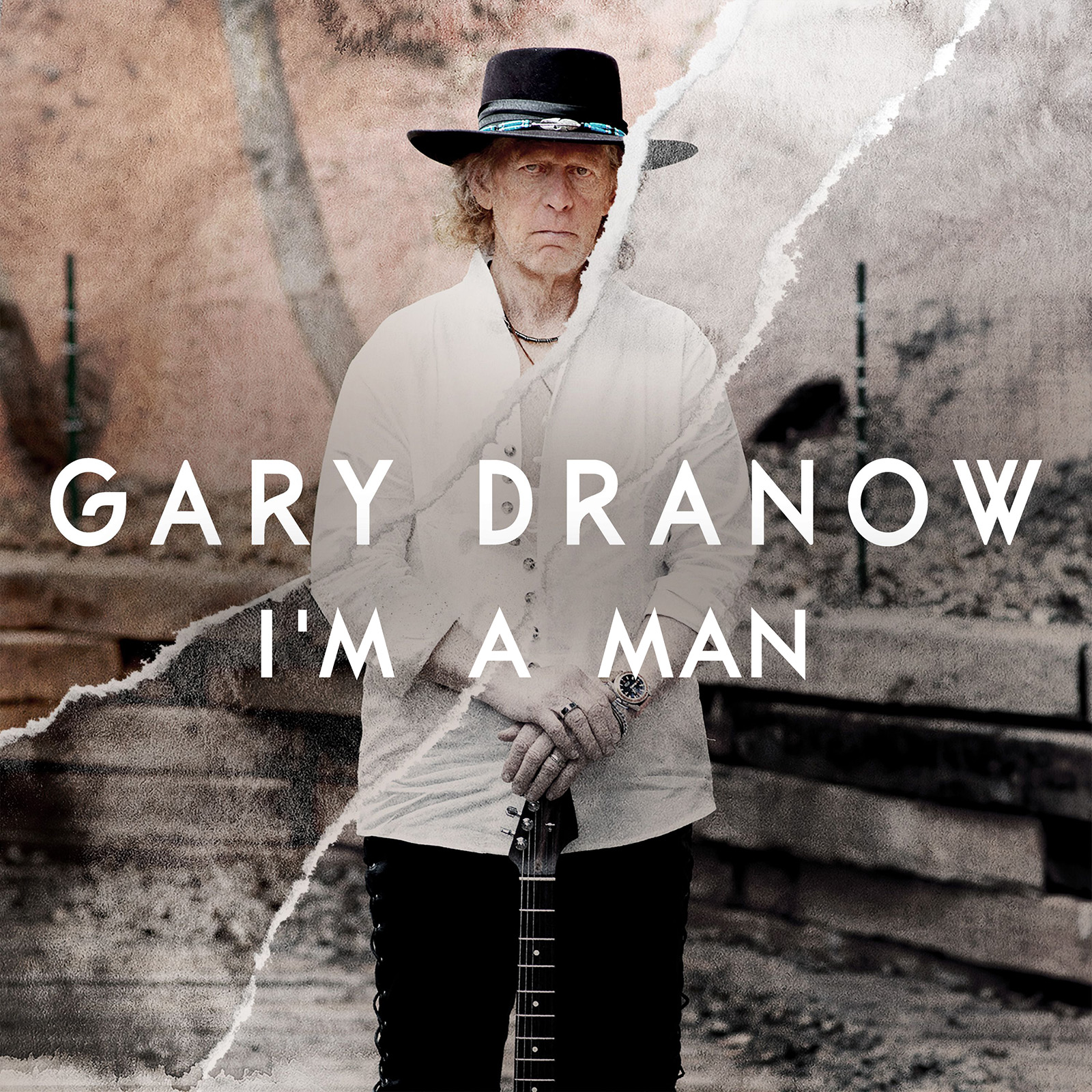
Contemporary rock band Gary Dranow and the Manic Emotions latest offering, “I’m a Man,” serves as a testament to the spirit of authenticity shining through tales of personal transformation. With lyrics that delve deep into themes of forgiveness, self-actualization, and growth, this song weaves a compelling narrative that resonates with listeners on a profound level.
“I’m a Man” paints a vivid picture of a young individual who navigated the turbulent waters of life without the guidance of a father figure. It’s a narrative that echoes with the struggles some face in their formative years, where a lack of positive role models can lead them down treacherous paths, often falling in with the wrong crowd.
However, the heart of the story takes a surprising turn as the protagonist encounters a wiser, older mentor figure who serves as a catalyst for change. As the song unfolds, we witness the protagonist’s journey through the trials and tribulations of youth, including potentially dangerous affiliations with gangs. But what sets “I’m a Man” apart is its unwavering commitment to portraying the transformative power of human connection. Despite past transgressions, the central character marries, and while he may still grapple with the demons of dishonesty and infidelity, there’s an unexpected twist. Instead of condemnation, he’s met with a profound declaration of love and forgiveness from his spouse. This act of understanding and compassion becomes the catalyst for his redemption, setting him on a path toward a brighter future where happiness and reconciliation prevail.
Gary Dranow, hailing from the scenic locale of Park City, Utah, stands as both a guitar virtuoso and a seasoned athlete. His music bears the indelible mark of his life experiences and unwavering dedication to his craft, offering inspiration to fans and aspiring artists alike. Dranow’s musical influences, including the legendary Jimi Hendrix and Stevie Ray Vaughan, infuse his work with a timeless bluesy charm that resonates deeply with audiences.
Connect with Gary Dranow and the Manic Emotions via:


 Modern Mystery
You must be logged in to post a comment.