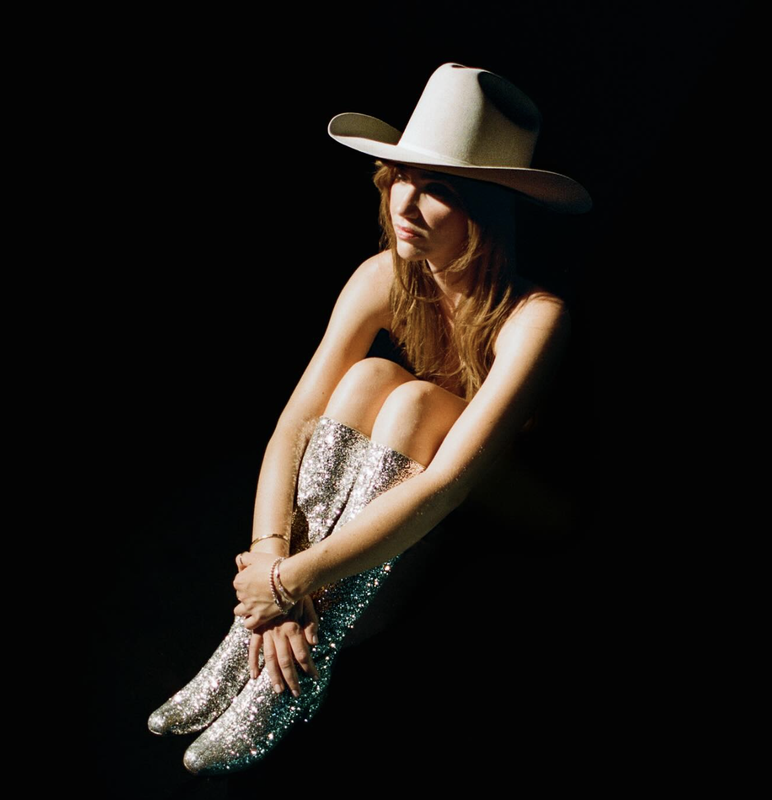
Some artists spend their lives chasing music. For Lila Forde, music arrived early—and never let go.
Raised in a spiritual, creatively nurturing home in Seattle, the singer-songwriter found herself surrounded by jazz records, meditation sessions, and the kind of freedom that lets an artist bloom. She didn’t have a television growing up, but she had rhythm, harmony, and a deep curiosity. Her parents—a musician and a pair of meditation teachers—encouraged her to explore without limits, planting the seeds for a musical voice that now feels as wise as it is fresh.
That voice finds full expression on Vessel, Forde’s striking debut album. A blend of jazz, folk, soul, and old-school R&B, it’s a warm and introspective collection that plays like a conversation between the past and the present. “There’s nothing else in this world I could possibly do,” she says, reflecting on a journey that’s felt less like a choice and more like a calling.
After studying jazz in college and gigging across Los Angeles—from quiet lounges to pop-up stages—Forde caught the attention of a producer from The Voice during a New Year’s Day performance. Her stint on the show brought her to the Top 5 under the mentorship of John Legend, giving her a national platform without compromising her identity. “They never tried to make me into anything I wasn’t,” she recalls.
But the real turning point came offscreen. With over $16,000 raised through a grassroots Kickstarter campaign, Forde recorded Vessel in just three days alongside producer Aidan Carroll and a handpicked ensemble of musicians. The sessions, she says, were driven by energy, trust, and instinct. “We crafted the perfect cocktail of people,” she explains. “It was all vibes.”
Those vibes ripple through the album, from the flirty, funk-tinged opener “Temptation” to the heartbreak-laced stillness of “Honesty,” a raw ballad written in the wake of a breakup. “You can hear me going through it,” she admits. “That’s the point.”
On “Brick by Brick,” Forde channels a steady, determined kind of hope—building a life, a love, and a career with patience and intention. And in the title track, she lets go entirely, repeating a single mantra over gentle chords: “I let the music come and go / I’m just a vessel, not a home.” It’s a moment of surrender, and the album’s emotional core.
Forde closes Vessel with a nod to her roots: a live voice memo of her covering “The Masquerade Is Over” during a restaurant jazz set, silverware clinking in the background. “You can’t recreate that,” she says. “It’s a reminder of where I come from.”
If Vessel feels unusually complete for a debut, it’s because it is. Forde isn’t trying on different personas—she’s simply showing us who she is, one track at a time. “I want people to feel like they’ve had a well-balanced meal,” she says. “Not too much of anything, just enough of everything.”
With this release, Lila Forde emerges as more than a promising new voice—she’s a fully-formed artist with something real to say. And she’s just getting started.
 Modern Mystery